Editing
Day to dusk real estate photography: shooting for twilight and selling it
What day to dusk editing is, when a listing earns it, how to shoot the daytime exterior so the twilight works, and how to sell it to agents as an add-on.
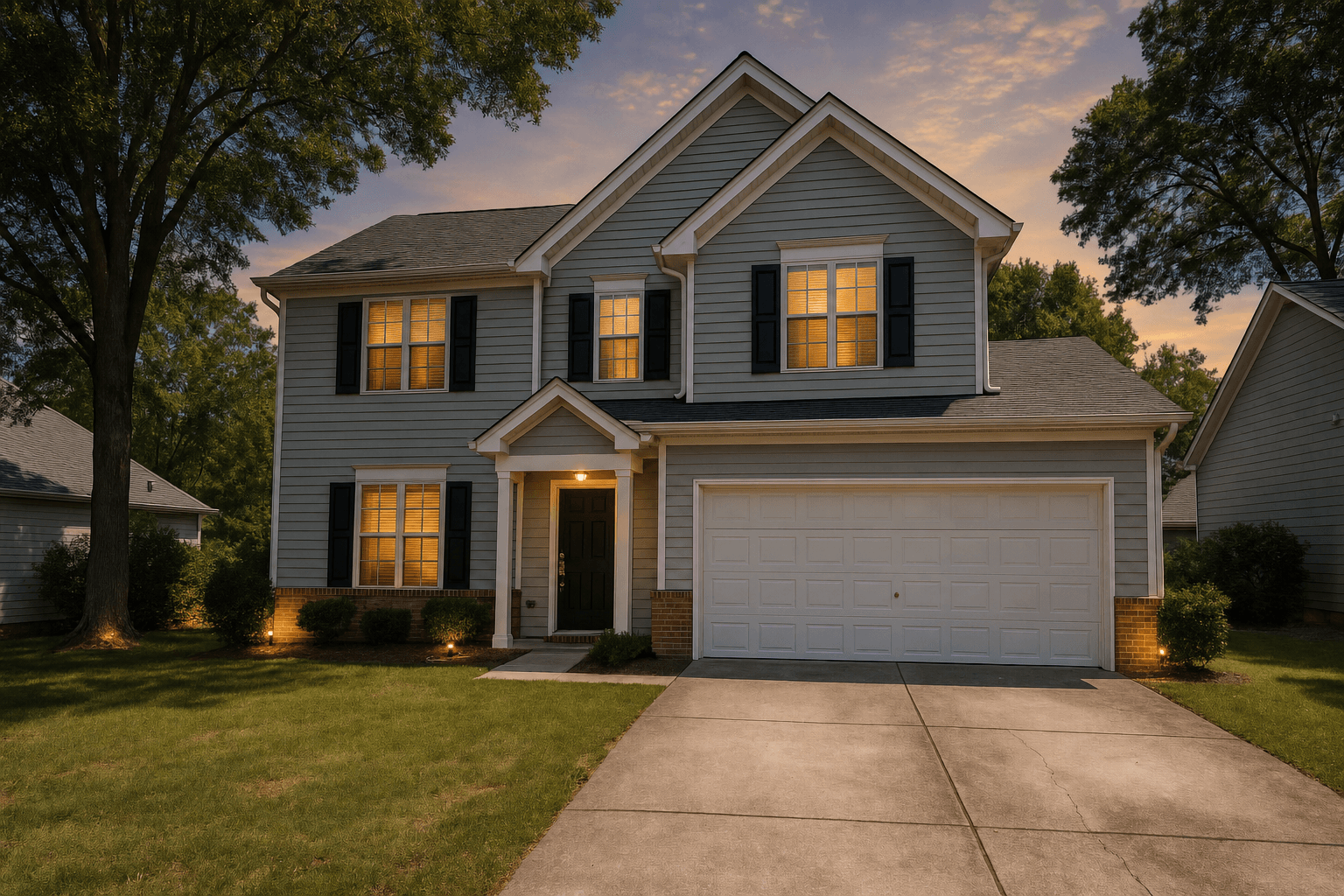
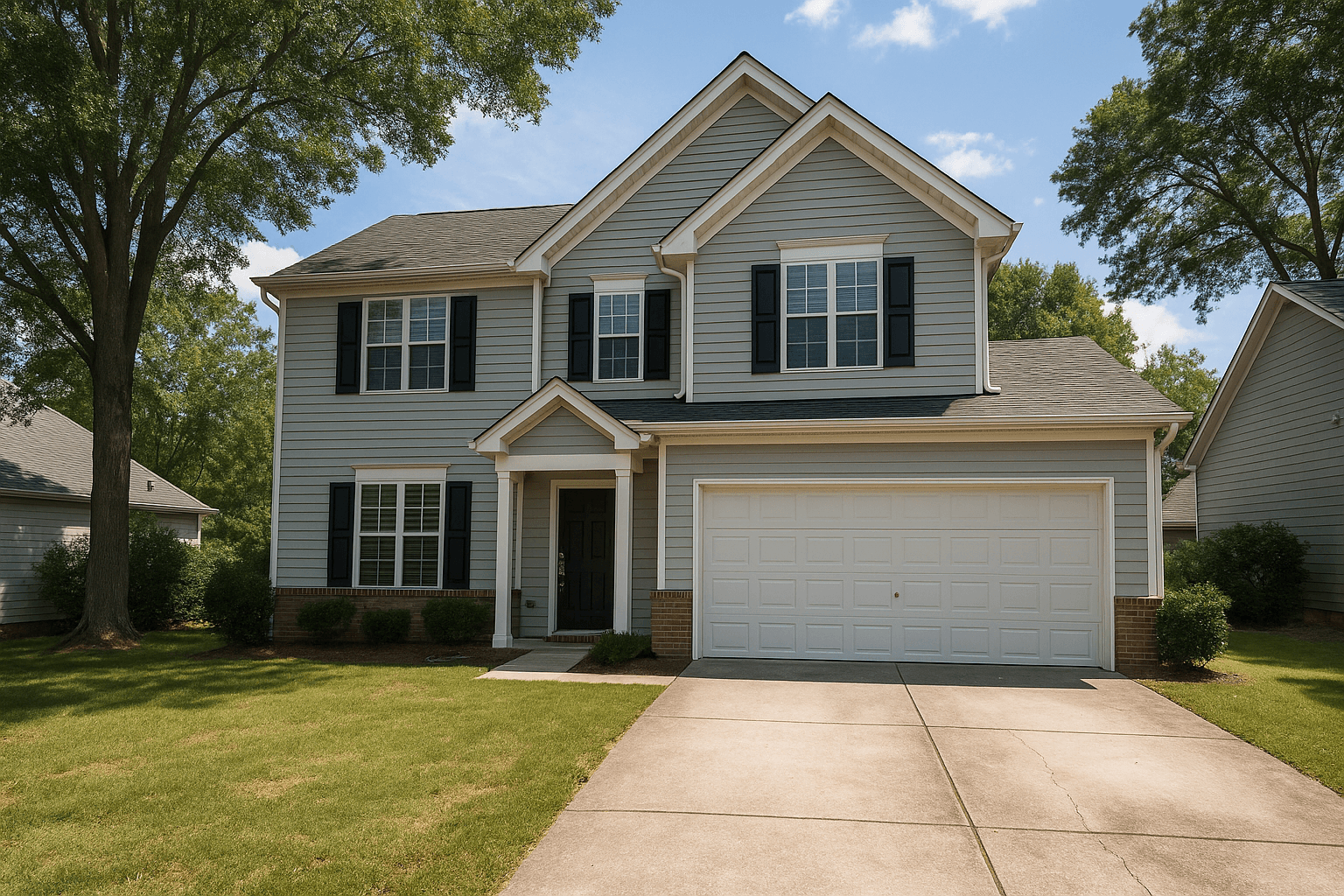
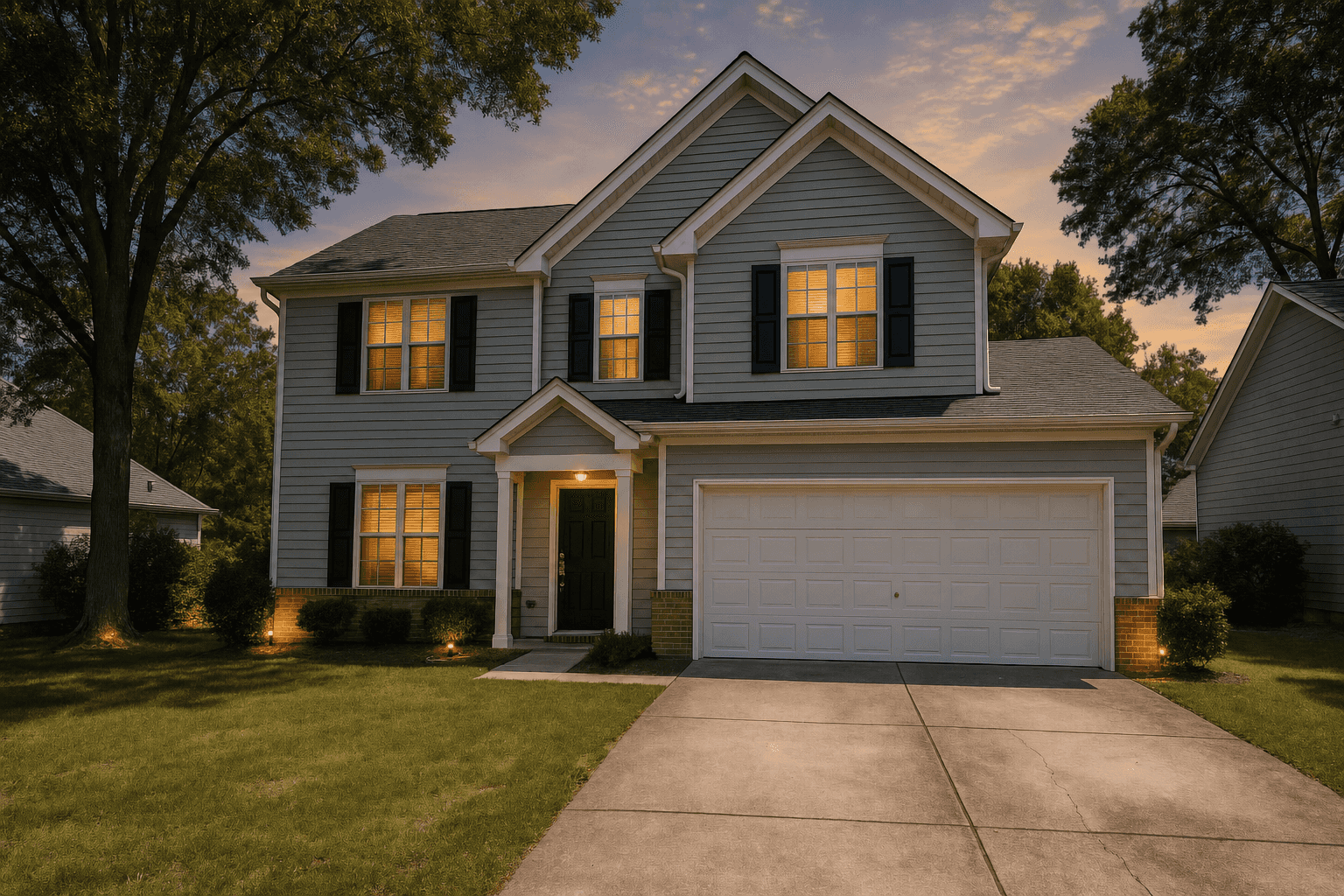
A day to dusk edit, also called virtual twilight, turns a daytime exterior into an evening photo of the same house: the sky becomes a dusk sky, the windows glow from inside, exterior lights come on, and the facade and ground take on evening light. The house itself does not change. Only the light and the time of day do.
For a real estate photographer, it is one of the easiest add-ons to sell, because the agent can see the result in a thumbnail and the work happens after the shoot, not on a second trip. This guide covers when a listing earns a twilight frame, how to shoot the daytime source so the edit is believable, how to judge the result, and how to offer it to agents.
What virtual twilight is, and what it is not
A good conversion does three things together. It replaces the sky the camera captured with a dusk sky. It lights the windows from the inside, so the glow sits in the glass and spills the way room light does. And it grades the facade, the lawn and the driveway to match, so the light on the house agrees with the light in the sky.
What it is not: a redesign. A twilight edit should never add a window, move a tree, extend a lawn or tidy a roofline. Everything that belongs to the property stays exactly as the camera recorded it. That line matters for the buyer, who will stand in front of the real house, and for the agent, whose name is on the listing.
When a day to dusk edit earns its place
Not every listing needs one, and selling it everywhere cheapens it. It earns its place where the exterior is the first thing a buyer judges:
- The hero frame of any listing where the front elevation is attractive, because the first photo decides whether a buyer opens the listing at all
- Homes with good exterior lighting: porch lamps, landscape lights, a lit pool or a covered patio
- Listings shot in flat, grey weather, where a daytime exterior looks dull no matter how well it is exposed
- Homes with large front windows, where the warm interior is the selling point
- Agents who want one frame that reads as premium in the search results without paying for a separate evening session
How to shoot a daytime exterior for virtual twilight
The conversion can only work with what the source frame gives it. Decide on site which exterior will become the twilight, then shoot that frame with the evening in mind.
- Pick the corner angle. Two visible sides of the house give the evening light depth, and lit windows on two planes read as a lived-in home
- Turn on every interior light in rooms that face the camera, and open the blinds so the windows show glass, not fabric
- Turn on the porch, garage and landscape lights too. A real lamp in the frame anchors the evening light
- Shoot a clean skyline where you can. Fewer wires and antennas crossing the roofline give the sky edit a crisp edge
- Clear the driveway and the street: cars, bins and hoses look stranger at dusk than at noon
- Bracket the frame like any other, so the merged exterior holds detail in both the bright sky and the shaded eaves
Light, weather and time of day for the source frame
Overcast light makes the best source. Soft, even light leaves no hard shadows to explain away, and the facade colour stays true. Bright sun works too, but the hard shadows of midday fall in a direction a dusk sky cannot explain, so they need opening up in the edit.
If you can choose, shoot the twilight frame when the front of the house is out of direct sun. A front elevation in open shade converts more naturally than one with a sharp shadow from the roof across the windows. Our golden hour calculator helps you plan which side of the house has the light, and when.
What makes a bad source frame
Some frames will not convert well, however good the edit is. Reshoot or choose another frame when you see:
- A tilted or keystoned facade. A crooked daytime frame becomes a crooked twilight
- Blinds closed or curtains drawn, so there is no glass for the window glow
- Large obstructions in front of the house, such as a parked van or a construction skip
- A sky that is almost entirely covered by tree canopy. The camera's own sky is what changes, so a frame with little sky has little to work with
- Heavy motion blur or a soft focus on the facade
What a believable twilight looks like
Judge every twilight at full size and as a thumbnail, beside the daytime original. A convincing result holds up on all of these:
- Window glow sits inside the glass, with the same warmth from window to window, and no halo on the siding around the frames
- The bright part of the sky agrees with the lit side of the house, so the light direction makes sense
- Roofline, gutters, chimneys and branches stay sharp against the new sky
- Lawn, driveway and walkway have gone to evening light too, with no leftover noon shadows
- Nothing about the property has changed: the same windows, the same plants, the same fence
Common day to dusk editing mistakes
Most twilights that look fake fail in the same few ways, and every one of them is visible in a thumbnail. The first is the painted window: a flat, uniform orange rectangle in every pane, with no variation between rooms, no lamp, no ceiling light, no sense of a room behind the glass. Real interior light varies from window to window, and a convincing conversion keeps that variety.
The second is noon on the ground under a dusk sky. If the lawn still carries the hard, short shadows of midday, the eye knows the sky is wrong even if it cannot say why. The third is a sky that does not belong to the place: a dramatic sunset over a house facing the wrong way, or a sky so saturated the house looks like it is standing in front of a backdrop. The fourth is the halo, a glowing rim where the roofline meets the new sky.
The last mistake is the one that matters most: an edit that changes the property. A twilight that adds a light fixture, fills in a lawn or removes a neighbour's fence is no longer a time-of-day edit. Reject it, whatever it looks like.
How many twilight frames a listing needs
For most listings, one. The twilight is the hero: the first photo in the gallery, the thumbnail in the search results and the image on the agent's social posts. A second twilight frame earns its place when the back of the house is a selling point, such as a pool, an outdoor kitchen or a view, and a lit rear elevation shows it better than daylight can.
More than two rarely helps. A gallery of evening exteriors starts to look like a theme rather than a home, and buyers still want to see the house in daylight. Order the twilight frames last in the gallery's exterior run, except for the hero, so the listing opens at dusk and then shows the home as a buyer will visit it.
How to sell virtual twilight to agents
Agents buy outcomes, not edits. Show them one of their own listings converted: a daytime hero frame next to its twilight version sells the add-on better than any description. Then make it easy to say yes.
- Offer it as a line on your booking menu, so the agent ticks it when they book rather than asking afterwards
- Build it into your top package as the hero frame, and sell it on its own in the lower tiers
- Recommend it per listing: tell the agent which homes it suits and which ones it does not
- Price it as a per-photo add-on and keep the price simple. Most listings need one twilight frame, occasionally two
- Keep a real evening session on your menu for the listings that justify one, so the agent has the choice
Disclosure basics for twilight photos
A day to dusk edit changes the time of day and the sky, not the property, and many boards treat it like other photo enhancement. Others ask for any edit that changes the scene to be disclosed, in the caption, in the remarks or on the image. Rules vary by MLS, brokerage and state, so check the current rules for the market you shoot in, and tell agents what their board expects.
Two habits keep everyone safe: keep the daytime original on file with the twilight, and never let the edit change anything the buyer will see in person. If a frame would need the property altered to look right, it is the wrong frame for a twilight.
Virtual Twilight on Better Listing Media
Virtual Twilight is a Service in Studio: you order it on the exteriors you choose, and the dusk frame comes back to the shoot. Windows are lit from the inside, and the sky and facade are graded together so the light direction stays coherent. The property stays the camera's own: only the light and the sky that is already sky change.
Each photo can carry its own look from five presets: Warm Sunset, Deep Blue Hour, Luxury Twilight, Bright Marketing and Subtle Dusk. Every preset look costs the same, and a shadow setting (Off, Soft, Standard or Strong) opens up hard daytime shadows without painting over them. Nothing is delivered until you approve it. If the agent's board asks for an on-image label, the Brand tool can add a Virtual Twilight tag to the photos you choose; it is off on every photo until you turn it on. The per-photo rate is on the pricing page.
This guide goes with Virtual Twilight.