Marketing
What a listing media package should include
What a listing media package should include, the add-ons agents book again, three tiers instead of ten, and how real estate photographers price each one.
A listing media package is the bundle of photos and media a real estate photographer sells per listing: a set number of edited photos, plus add-ons such as twilight, virtual staging, aerials, floor plans or video. A good package answers what the agent needs for this listing in one click, so they book instead of asking for a quote.
Most photographers sell too many packages, or one package with a long list of extras. This guide covers what belongs in the core, which add-ons earn their place, how to structure the tiers and how to price them so the package sells itself.
Start from what the agent is buying
An agent is not buying photos. They are buying a listing that launches well: enough images to fill the listing service, a lead photo that stops the scroll, and marketing they can post the day it goes live. Every package decision is easier when you ask which of those it serves.
It also helps to know who the agent is. A high-volume agent listing starter homes wants speed and predictability; an agent listing a few large homes a year wants the full launch. Your tiers should give each of them an obvious choice.
The core: the photo set
Every package starts with edited interior and exterior photos. Size the set to the home, not to a round number: a small condo and a large family home need different counts. Our guide to how many photos a listing needs covers the sizing room by room, and the shot list generator builds the list for a specific home.
Whatever the count, the core set should include:
- The front exterior, straight on and at an angle
- Every main living space, from the angle that shows its size
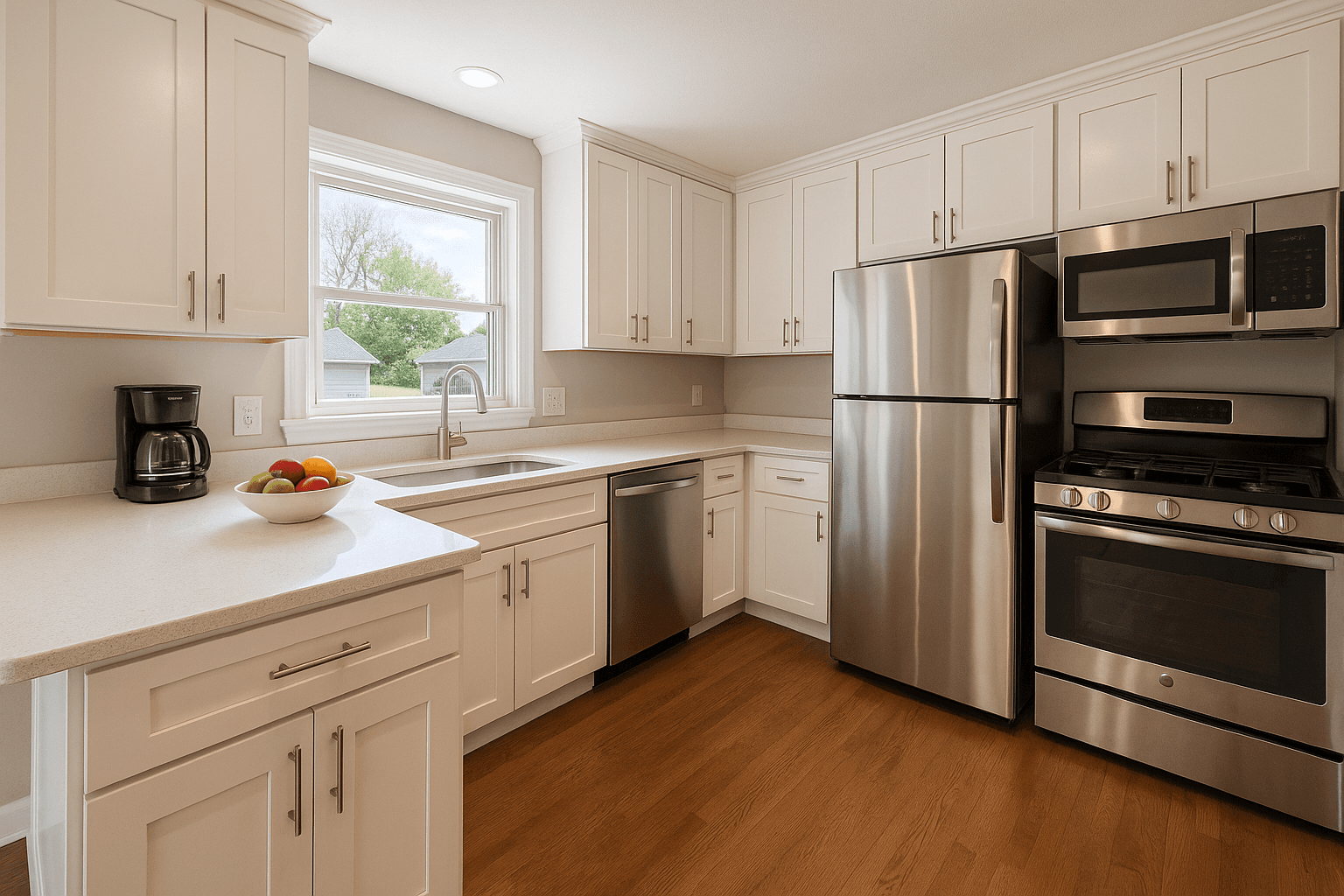
- The kitchen from at least two angles
- The primary bedroom and bathroom
- The backyard, the outdoor living space or the view, if the home has one
- One or two details that sell the home: a fireplace, a built-in, a finish
The add-ons that earn their place
An add-on belongs in your package when agents ask for it often enough that it should not need a separate conversation. The common ones, and what each is for:
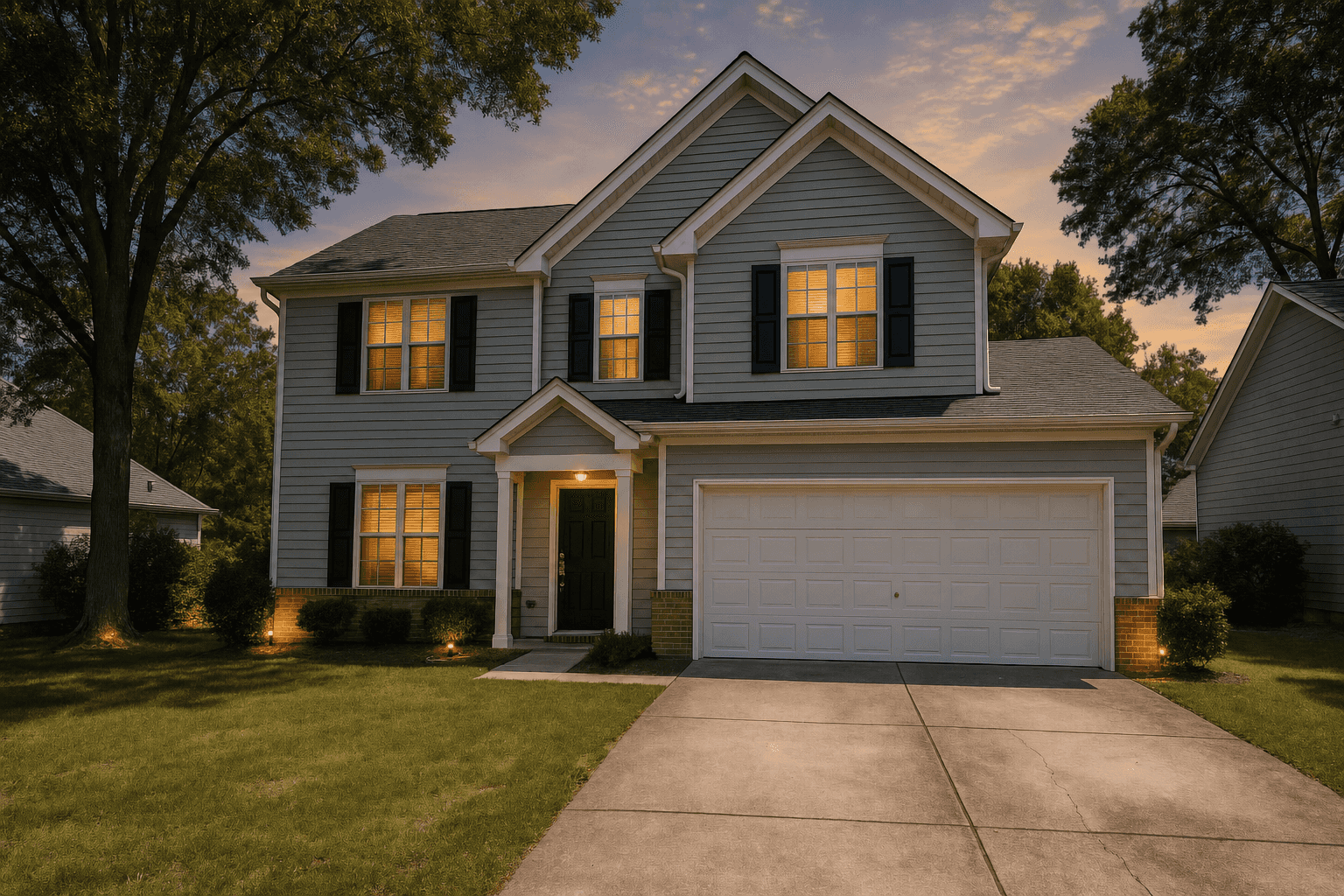
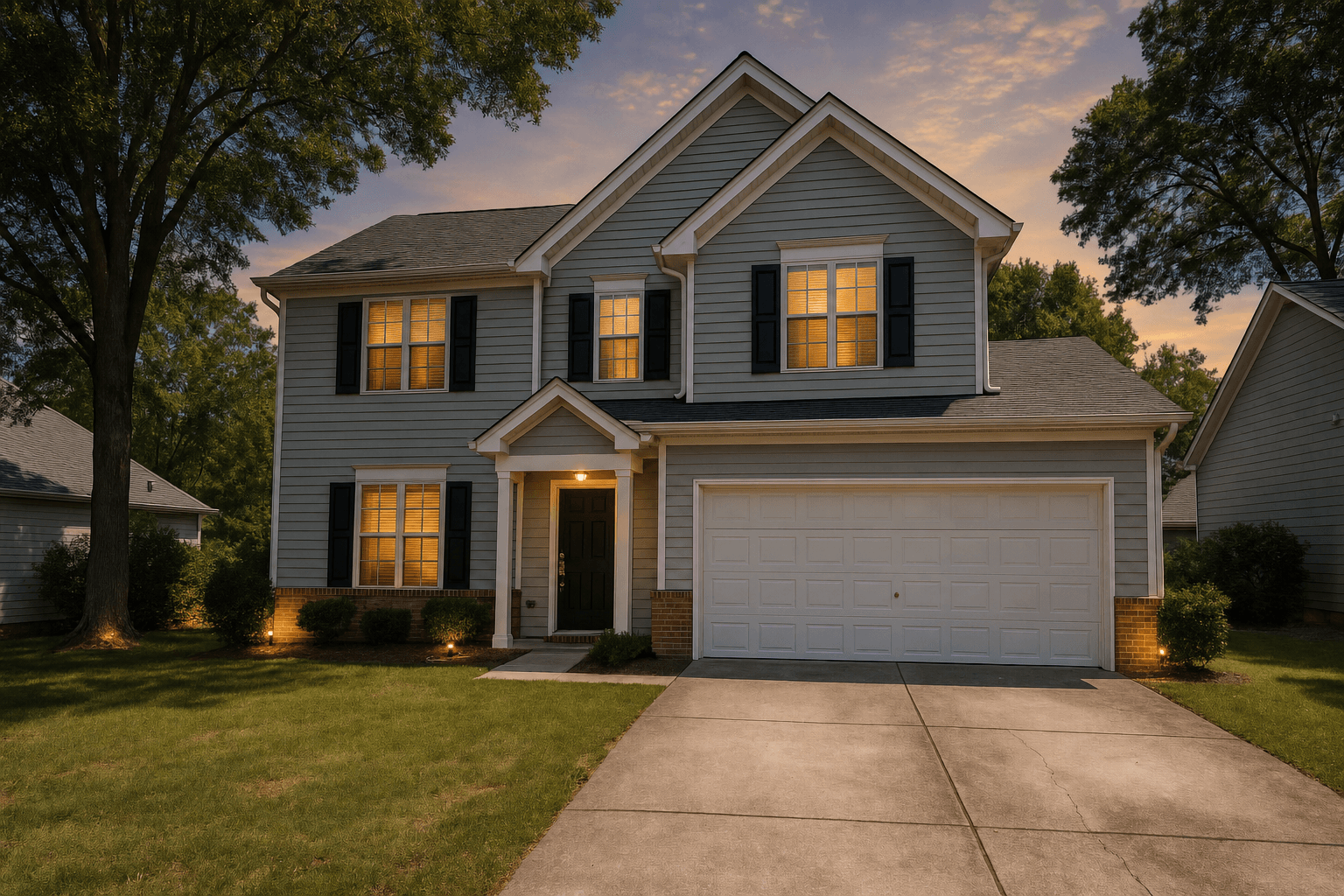
- Virtual twilight: a dusk version of the front exterior, often the listing's lead photo
- Virtual staging: furniture in empty rooms, delivered alongside the unstaged original
- Aerial photos: lot size, location and surroundings, where the property warrants it
- Floor plans: buyers use them to understand the layout before a showing
- Video or short reels: for agents who market listings on social media
- A marketing kit: social posts, stories, a flyer and a postcard made from the listing's photos
- A property website: one link with every photo and the listing details
Three tiers, not ten
A package line-up that works for most markets has three tiers. The entry tier is the photo set alone. The middle tier adds the most requested add-on in your market, often twilight. The top tier adds the rest of what you offer at a price that rewards booking it all at once.
Three tiers keep the decision easy, and the middle tier tends to become the default, which is why it should be the one you most want to sell. Anything outside the tiers is an à la carte add-on, not a fourth package.
Name packages by outcome, not by size
"Essentials", "Signature" and "Showcase" tell an agent what kind of listing each package is for. "Package A, B and C" tells them nothing, and "25 photos" invites a comparison on count alone. Put the count in the description, and the outcome in the name.
Price by the home, not by the hour
Square footage is the most common way to scale a package price, because it tracks how long the shoot and the edit take. A package priced by size is also easier for an agent to predict: they know what the next listing will cost before they book it.
Price each tier from your own costs, not from a competitor's list: the drive, the shoot, the editing, the add-ons you buy and the time to deliver. Our free pricing calculator works out what each package pays you per hour after those costs, which is the number that tells you whether a tier is worth selling. The real estate photography pricing guide covers setting rates in more depth.
Bundle savings, stated plainly
A bundle works when the saving is visible. Show what the components would cost on their own next to the package price, and let the agent see the difference. A promo code for a first booking or a slow season does the same job without lowering the list price.
Make the package bookable
A package that lives in a PDF gets a phone call. A package on a booking page gets booked. In the Better Listing Media Workspace, your storefront sells packages, services and add-ons directly: you can bundle components into a package deal that shows the savings, run promo codes with scopes, minimums and expiry, and price by square footage so the booking form resolves the exact price from the size the client enters. The booking lands on your calendar with the property address attached.
Deliver it as one set
The package does not end at the shoot. Deliver every piece together, under your own brand, so the agent downloads the whole listing in one place and remembers who shot it. That is the moment the next booking is won.
Review the line-up every quarter
Look at what agents actually booked. If almost nobody takes the top tier, it is priced or named wrong. If an add-on is in most orders, it belongs in a tier. If a tier is booked but loses money once your costs are counted, raise it or rebuild it. A package line-up is a product, and it improves the same way any product does.
This guide goes with Your storefront with booking built in.