Editing
Flambient vs HDR: which method for real estate interiors
Flambient and HDR both solve the window-and-shadow problem. How each works, what it costs you on site and in the edit, and when to pick which.
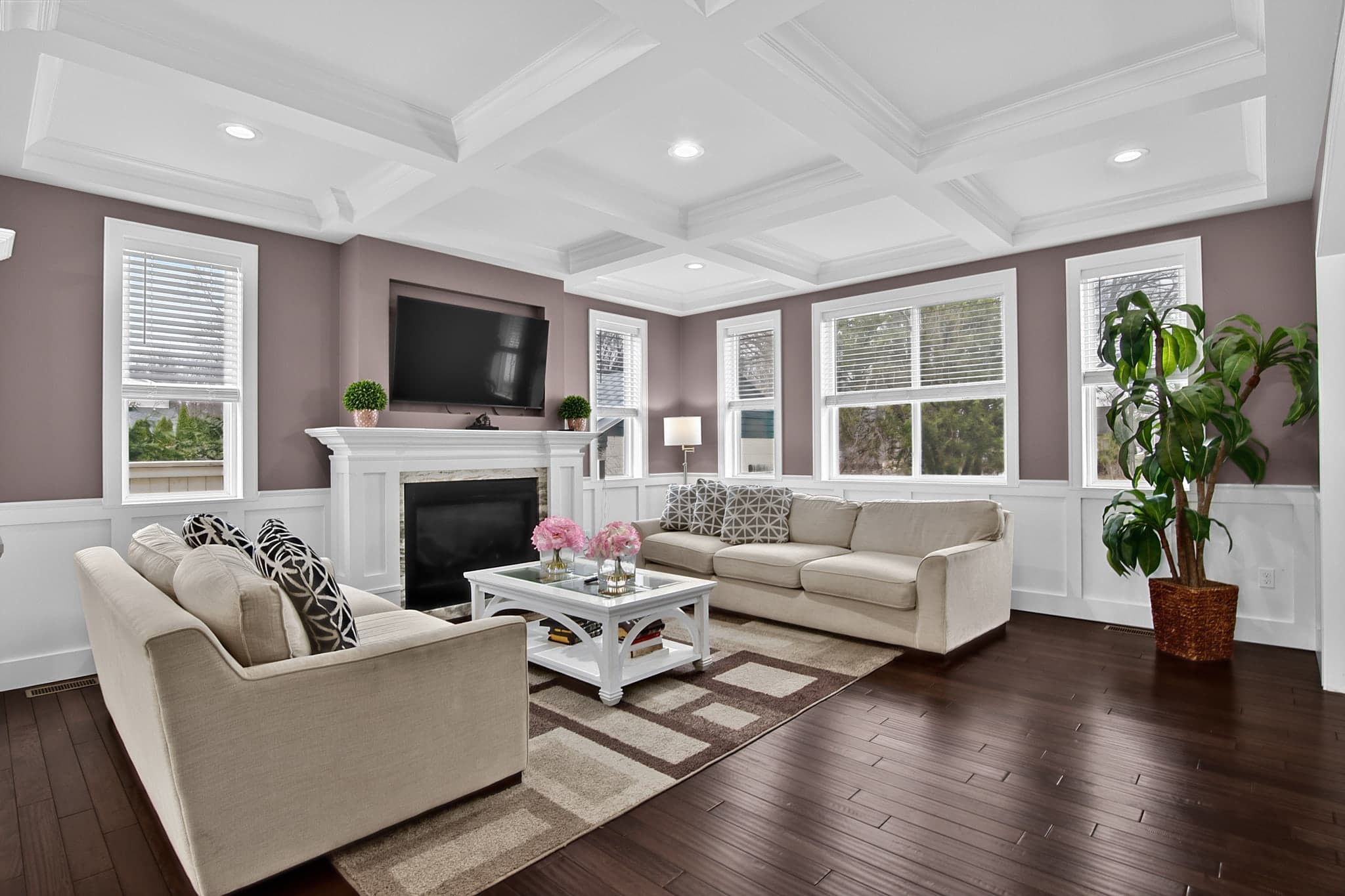
Flambient and HDR are two answers to the same problem: a real estate interior has more range than a camera can hold in one exposure. HDR solves it with several ambient exposures blended together. Flambient solves it with one flash exposure and one ambient exposure, layered by hand. HDR is faster on site and easier to hand off; flambient gives you more control over colour and costs more time in the edit.
Neither is better in every room, and many working photographers use both. Here is how each works, what it costs you, and how to choose.
The problem both methods solve
Stand in a living room on a sunny afternoon and the window is many times brighter than the far corner of the room. Your eyes adjust as they move; a sensor cannot. Expose for the room and the window clips to white; expose for the window and the room goes dark. Every interior method in real estate photography is a way of getting a bright room and a visible window into the same frame without it looking processed.
There is a second problem hiding in the first: colour. Daylight from the window is cool, tungsten and many LED bulbs are warm, and walls bounce their own colour onto everything near them. A method that fixes the range but not the colour still leaves a yellow kitchen or a green cast from a painted wall.
How HDR works
You put the camera on a tripod and shoot the same composition at several exposures, typically three to five, from dark enough to hold the window to bright enough to open the shadows. The brackets are merged so each part of the frame comes from the exposure that captured it best.
Everything happens with the light already in the room. There is no flash to set up and nothing to move between frames, which keeps you fast on site and keeps the look natural. The trade-off is colour: mixed light sources stay mixed, so a room lit by warm bulbs and cool daylight needs careful white-balance work after the merge.
The other risk is over-processing. Aggressive tone mapping produces the HDR look buyers have learned to distrust: grey shadows, glowing edges around windows and a crunchy texture on every surface. A good merge is one nobody notices.
How flambient works
Flambient (flash plus ambient) uses at least two frames. One is lit by flash, usually bounced off the ceiling or a wall behind the camera, which gives clean, neutral colour across the room. The other is an ambient exposure that carries the mood of the room's own light. Many photographers add a separate window exposure, sometimes with a second flash pop, so the view can be masked in cleanly.
In the edit, the frames are layered and masked: the flash frame's colour, the ambient frame's atmosphere, the window frame's view. The usual recipe blends the flash layer in a luminosity or colour mode over the ambient, then paints the window in. Done well, flambient produces the cleanest whites in real estate photography. Done by hand, it is also the slowest method to edit, and the result depends heavily on the editor.
On site: time and gear
HDR needs a tripod and a camera that can bracket automatically. You compose, fire the bracket and move on, which makes it the faster method per room.
Flambient adds a speedlight or two, a way to trigger them, and the time to place the flash for each room: bounce angle, power and the shadows it throws. Large rooms may need several pops. On a big house, the extra minutes per room add up to a noticeably longer shoot.
In the edit: time and consistency
HDR merges are consistent and easy to automate. The same bracket set merged twice gives the same result, which is why HDR is the method most editing services and automated pipelines are built around.
Flambient layering is manual work, frame by frame. Two editors given the same frames can produce two different rooms. That control is the point when you edit yourself; it becomes a variable when you hand the work off.
The trade-offs side by side
The practical differences come down to time, gear, look and how much of the edit you can hand off.
- On site: HDR needs a tripod and a bracketing camera; flambient adds a flash and the time to place it in every room
- Colour: flambient neutralises mixed light by design; HDR keeps the room's own light and corrects it afterwards
- Editing: HDR merges are consistent and easy to automate; flambient layering is manual work, frame by frame
- Look: HDR reads as natural ambient light; flambient reads crisp and bright, sometimes flatter
- Handoff: an HDR set is a uniform input any merge can process; a flambient set depends on how each room was lit
When to choose HDR
Choose HDR when volume and consistency matter most: several listings a day, a team of photographers who need one look, or a client base that wants the same style on every shoot. It is also the better fit for rooms with good natural light, where flash would flatten what makes the room attractive, and for rooms full of glass or mirrors, where a flash pop throws reflections you then have to remove.
When to choose flambient
Choose flambient for rooms where colour is the problem: dark wood, strong casts from painted walls or floors, or a mix of bulbs that no white balance can reconcile. It is also common at the luxury end, where the client is paying for the extra edit time and expects perfectly neutral whites.
The hybrid most photographers end up with
In practice, many photographers shoot HDR brackets for most of the house and add a flash frame only in the rooms that need it: the kitchen with orange cabinets, the den with green walls, the bathroom with no window. The flash frame is a colour reference rather than a full flambient blend, and the rest of the set stays fast and consistent.
If you work this way, keep the flash frames in their own folder at the cull so they are easy to find when you reach those rooms.
Where Better Listing Media fits
Our HDR Merge works from bracketed ambient exposures. Upload the brackets, and the Service groups them by EXIF data, merges them, and corrects colour, verticals and sharpening in one pass, with fireplace lighting, sky replacement, screen replacement and photographer and camera removal applied automatically. It does not layer flash frames, so if flambient is your method for a room, keep those frames for your own edit.
Whatever the method, the photographer approves every image before it is delivered. You review the merge, adjust what needs it in Studio, and deliver from the same workspace, under your own brand.
This guide goes with HDR Merge.